Use it as an opportunity to explain why original reporting matters
Explain how you’ll cover campaign rallies and stops fairly
Want to get this Trust Tips newsletter in your inbox each Tuesday? Subscribe here.
A few years ago we were coaching a newsroom through election coverage and the conversation turned to their coverage of campaign rallies.
One reporter had recently covered a rally from a Republican candidate, but noted that another colleague in the newsroom took a completely different approach when reporting on a campaign rally held by a Democratic candidate a few weeks prior. The newsroom didn’t have any type of discussion around how they’d try to cover campaign stops or candidates fairly, which resulted in coverage that was quite different between the two candidates.
Inconsistencies in coverage like this happen in newsrooms more frequently than I think we’d like to admit. While often not ill-intentioned (or intentional at all!) this lack of internal communication can quickly become problematic when it comes to public trust in news.
People already assume journalists are trying to push their own agenda, and this perception is only heightened during highly divisive political seasons. And remember: If people don’t know why we made a decision, they’ll come up with their own explanations. And those explanations will not give us the benefit of the doubt.
As journalists we need to:
- Get clear internally around how we’ll be fair with coverage.
- Loop in our audience about our decisions and goals.
Here’s what this can look like
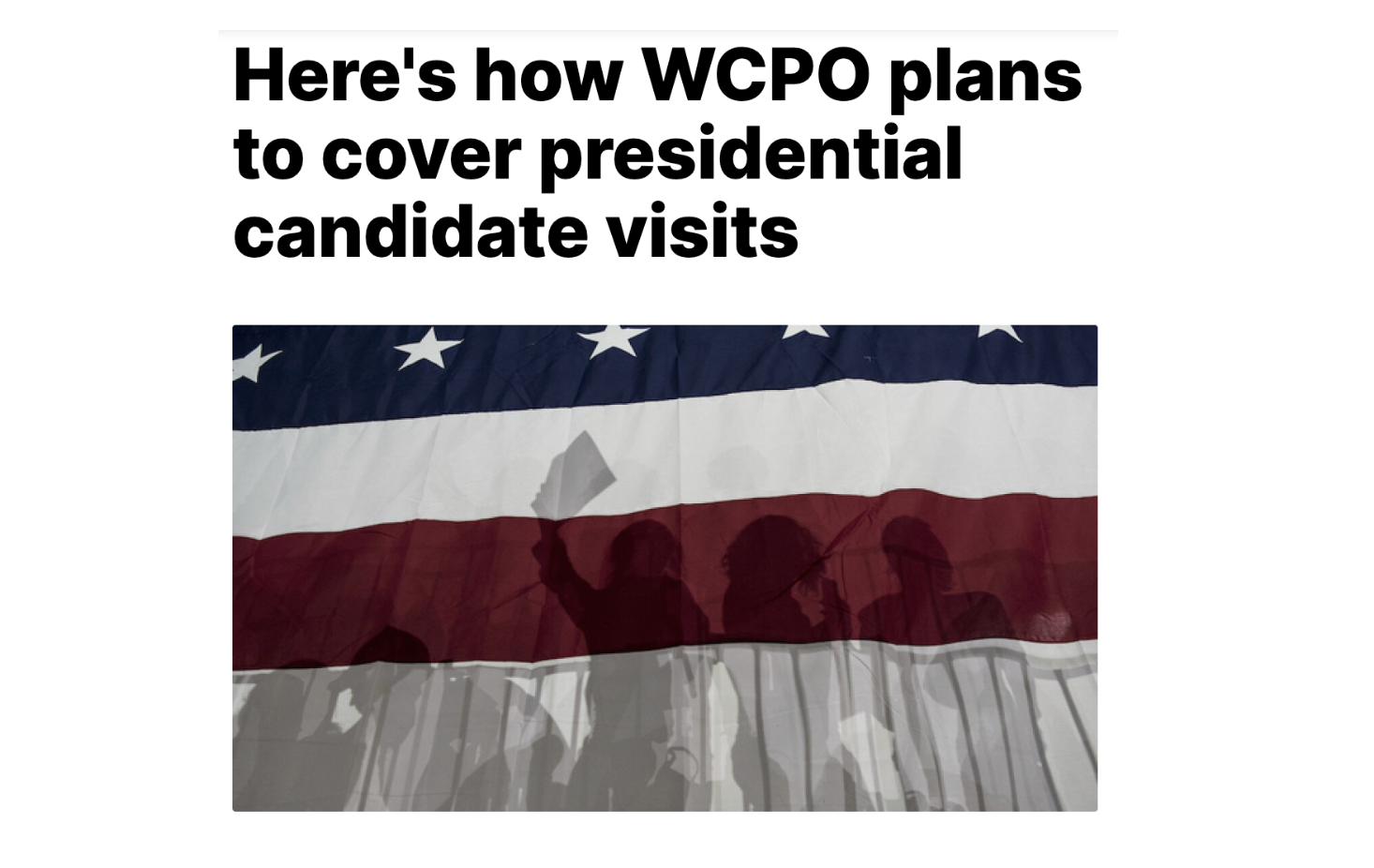
Before we share some advice and tips for how you can do this in your own coverage, I want to share a quick example of what this actually looks like in practice. Our team finds ourselves sharing this column from station WCPO often, even though it’s from a few election cycles ago, because it’s such a great example of how newsrooms can get on the record about covering campaign rallies and candidates fairly.
Before President Trump made a campaign stop in Cincinnati in 2020, former WCPO news director Mike Canan (now at Signal Ohio) wrote a column explaining the station’s policy on covering presidential candidate visits. The station was clear about its guidelines of how it would cover candidates, and also explained how they would cover President Trump’s visits differently than they did his campaign stops.
Later when their coverage was questioned, it gave them something to point back to that showed they were being consistent with and accountable to their approach.
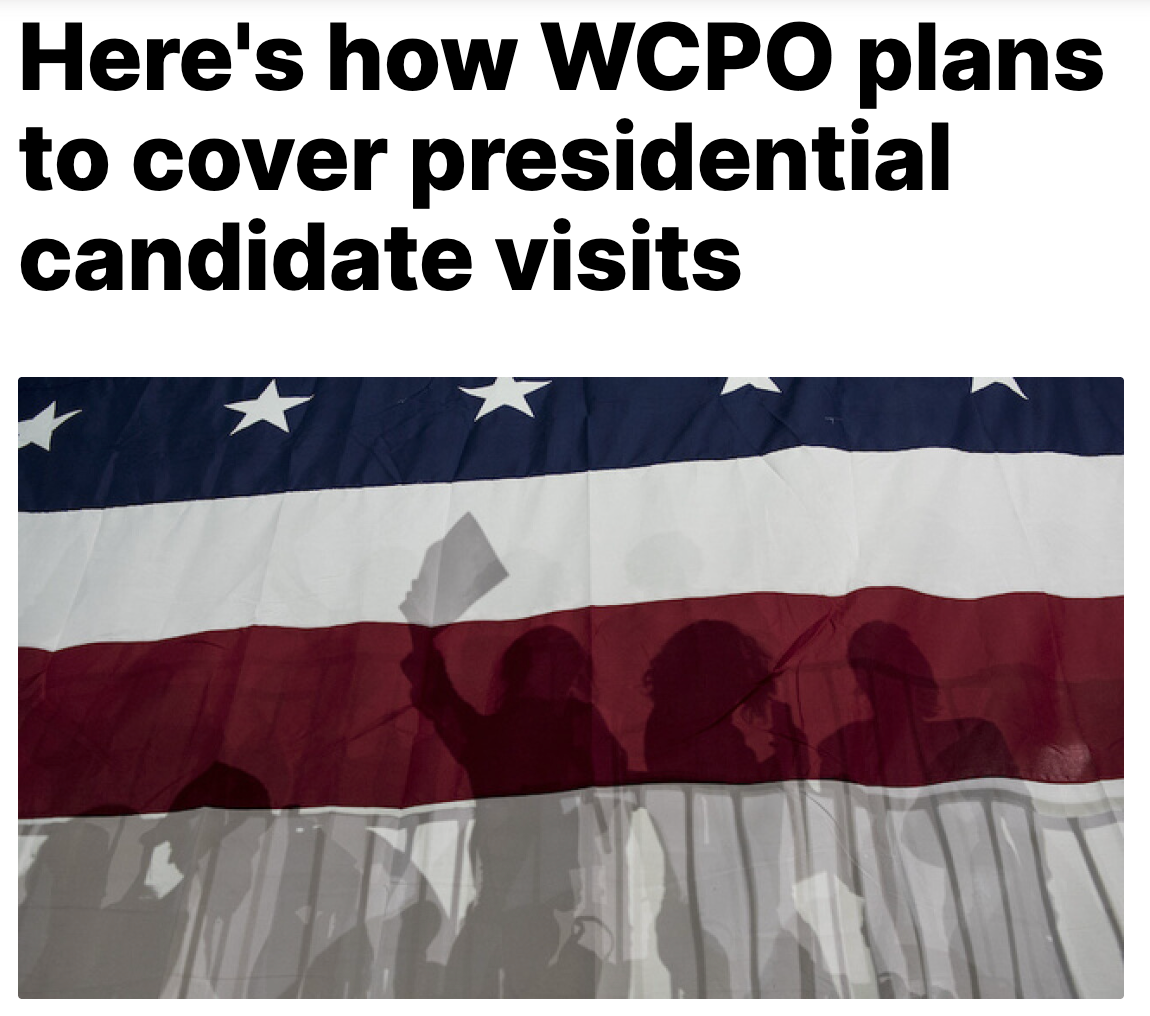
(Note: While this column is great, we’d love to have more updated examples to point to! Is this something your newsroom has done or you’re interested in doing? Let us know by dropping a link in this form or responding to this email!)
Start with this list of questions
As we often talk about at Trusting News, this type of transparency has to start with internal clarity before you can commit to anything publicly like WCPO did in the column above.
Here are some questions to help guide you or your team through deciding how you’ll cover upcoming campaign stops and rallies.
- Which campaign stops and rallies will you cover? Every single one, or just high-profile ones?
- What can you commit to when it comes to keeping coverage consistent for candidates across the political aisle? Will you livestream every event? Run an A1 or home page story? Dedicate a podcast episode to the coverage? Host an Instagram live?
- What’s the goal with your coverage of these rallies? Will you talk to voters in line and center their voices and concerns? Will you focus on offering a recap of what the candidates said in the rally?
- How will you ensure you do the same level of fact-checking of every candidate? Are you fact-checking every statement they say? Just notable claims? Will you do your own fact-checking, or link out to national ones?
- How will you point or link back and forth to coverage of different candidates? Definitely link to opposing candidates’ coverage, or to an election landing page. But also consider including language explaining your consistency. (This coverage is similar what we did two weeks ago when the opponent was in town. Find that here, and read more about our approach here.)
Once you’re internally clear about your approach to coverage, then we encourage you to get on the record about it with your audience. You could answer these questions in an FAQ style column, write a special newsletter edition, create a social video — any type of explainer you can link back to or reference in related coverage works! But clueing your audience in is a crucial step — you won’t get credit for internal decisions that are invisible to your audience.
It’s worth noting that not all candidates or campaign stops are the same — covering things fairly doesn’t always mean covering them equally. Some campaign stops are much more exciting or require much more fact-checking than others. But you can address that head-on ahead of time, like PolitiFact does here when explaining how they aim to fairly fact-check both Democrats and Republicans.
More election help
We have lots of resources and examples ready to help you earn — not lose — trust with your election coverage.
- From research we know headlines and simple word choices can signal bias and turn off certain people from your coverage. Our Word Choice and Headline resources can help you identify phrases and words that may signal bias to audiences.
- Our Anti-Polarization Checklist is a tool for journalists designed to help make room in the editing process for journalists to be intentional about the framing, sourcing and language in their coverage. (Find it in Spanish here!)
- The Election Trust Kit is a one-stop guide for all of our best election advice and strategies. It’s chock full of language and explainers you can copy and use, as well as examples from newsrooms. (Find it in Spanish here!)
At Trusting News, we learn how people decide what news to trust and turn that knowledge into actionable strategies for journalists. We train and empower journalists to take responsibility for demonstrating credibility and actively earning trust through transparency and engagement. Learn more about our work, vision and team. Subscribe to our Trust Tips newsletter. Follow us on Twitter, BlueSky and LinkedIn.

Project manager Mollie Muchna (she/her) has spent the last 10 years working in audience and engagement journalism in local newsrooms across the Southwest. She lives in Tucson, Arizona, where she is also an adjunct professor at the University of Arizona’s School of Journalism. She can be reached at mollie@trustingnews.org and on Twitter @molliemuchna.