Take a walk through how our work with journalists and researchers has expanded and evolved.
Humility, bias and pluralism: the Trusting News approach
Since our inception in 2016, our team at Trusting News has been investigating how people from different communities and with different points of view experience the news. We’ve taken deep dives into serving communities of color and investigated the impacts of coverage of LGBTQ+ communities (more on that soon). We’re always up for explorations into how to better serve specific segments, like young people or rural communities.
And since the 2020 election cycle, we’ve dedicated research and programming efforts to understanding how journalism influences and is influenced by the current political climate. How is the news experienced by people across the political climate? And how could understanding those experiences improve both the reach and the effectiveness of the news?
Some of you have been along for the journey — you’ve participated in our research, attended a webinar or invited us into your newsroom to work with your staff.
And if you’ve subscribed to our Trust Tips newsletter, you’ve likely seen us talk about things like responding to accusations of bias, rethinking word choices to be more hearable, and improving coverage of polarizing topics.
With this post, we’re collecting our efforts in one place, so people can better understand where we’re coming from and what we’re aiming to contribute.
With feedback or questions, please email info@TrustingNews.org.
Note: This work is not fully funded. With ideas for potential funding partnerships, please email joy@TrustingNews.org.
2021 research
I wrote in December 2020 about how and why conservatives increasingly didn’t feel like the news was made for or by people like them. Then two weeks after the Jan. 6 insurrection, we put plans in motion to work with the Center for Media Engagement and local journalists to survey and interview people who lean right about their experiences with local news. The project was transformative for our team and for several of our newsroom partners, one of whom told me recently that her staff still talks routinely about what they learned. Read CME’s full research report or some takeaways for our team.
A Road to Pluralism
The research led directly into our Road to Pluralism initiative, focused on “helping journalists strengthen trust across the political spectrum to bridge divides, foster productive conversations and fuel open-mindedness.” Journalists helped us test several strategies and resources:
- Our Anti-Polarization Checklist, which walks through sourcing, word choice and story framing.
- Quick headline checklist and word choice resources, to make sure a thoughtful story doesn’t get undermined by the wrong headline or attempt at creative language.
- Our guide to Hiring for Dimensions of Difference, which suggests interview questions editors can ask job candidates to encourage more diverse perspectives getting represented and shared on staff.
- A Community Interview Guide, walking journalists through how to invest in listening to people who don’t trust them. Hear from journalists here about why this was so valuable.
- Strategies related to three topics conservatives frequently raise as problematic: the use of wire coverage (often perceived as coming from an urban, liberal perspective), beefing up the handling of corrections (since a common complaint is that journalists wouldn’t admit if they got something wrong), and better labeling of opinion content (since there are enough complaints about opinionated news without letting there be confusion about whether something actually is opinion or straight news).
Embedded throughout most of that work was a fantastic research team of Josh Darr, Patrick Johnson and Sue Robinson. See highlights from their findings at this link (click on polarization). And read more about how we work with researchers here.
Dimensions of Difference
That hiring checklist really got us thinking about the culture in newsrooms — and how the journalistic practice of not talking about how they see the world could be fooling them into thinking they were approaching their jobs as blank slates.
To work on this with us, we called an expert on dialogue across difference: Eve Pearlman of Spaceship Media. Together, with funding from New Pluralists, we created a course designed to help newsroom teams assess the makeup of their staff and talk more openly about their views, values and limitations — beginning with acknowledging the ways journalists are often different from the communities they serve.
That course became our Dimensions of Difference Newsroom Guide and training offerings.
Ongoing training and leadership
We continue to offer periodic public-facing training on topics such as journalists’ own perspective biases and our Anti-Polarization Checklist. We also host conversations with experts and brainstorming sessions with journalists on things like how journalists can decide who’s reachable and who to give up on (with Amanda Ripley) and how to make immigration coverage more useful and less polarizing (with Dr. Stella Rouse).
We’re available to work one-on-one with newsrooms on diversifying who coverage is relevant to and hearaby by. Here’s what one newsroom leader told us after a recent training. (We leaving her unnamed because getting permission to speak publicly on behalf of her organization is complicated.)
“We do a lot of newsroom trainings, but we have never had one that delved specifically into viewpoint bias. We’ve found it’s a tricky and often uncomfortable conversation to have. Joy was recommended to us by the training team at NPR. She carefully and skillfully led us into a conversation on how who we are and what we believe shows up in our work, and why that matters to our audience. Most critically, she gave us tools to help interrogate our biases and to help broaden our approaches to reporting the news. The training has been transformative, and we are continuing to work with Joy on this issue and others that touch on elevating trust in news.”
Thanks to a sponsorship from the Knight Foundation, we’re offering free training for newsrooms that want to examine how their work could better serve people across their complex communities — especially outside urban, liberal bubbles. That training is full for now, but please email me if you’d like to be added to the list if we add capacity or additional programming offerings.
We have mapped out other training and coaching opportunities and are actively fundraising to be able to offer them to a diverse set of journalists, including newsrooms that do not have budgets for customized support.
Our continuing commitment
More than anything else we address, our research and training on these topics get mixed reactions from journalists. Some are passionately grateful and tell us it’s about time the industry took a harder look at what they’re getting wrong, who they’re misunderstanding and who they’re irrelevant to.
Others are dismissive or hostile to these inquiries. They wonder if they really need to interview Trump supporters and why journalists should bother trying to reach people who believe misinformation.
Most have more nuanced views (just like the public) and fall somewhere on a wide spectrum of responses. Two important factors stand out as influencing journalists’ openness to and curiosity about this work: whether they serve an audience that leans right, and whether they have strong personal ties to people who lean right.
Our team will continue to share what we’ve learned and prompt curiosity and humility in newsrooms. We will also keep experimenting and studying specific changes journalists can make to be relevant to and hearable by more people across their diverse, complex communities.journalism ethics.
At Trusting News, we learn how people decide what news to trust and turn that knowledge into actionable strategies for journalists. We train and empower journalists to take responsibility for demonstrating credibility and actively earning trust through transparency and engagement. Learn more about our work, vision and team. Subscribe to our Trust Tips newsletter. Follow us on Twitter, BlueSky and LinkedIn.
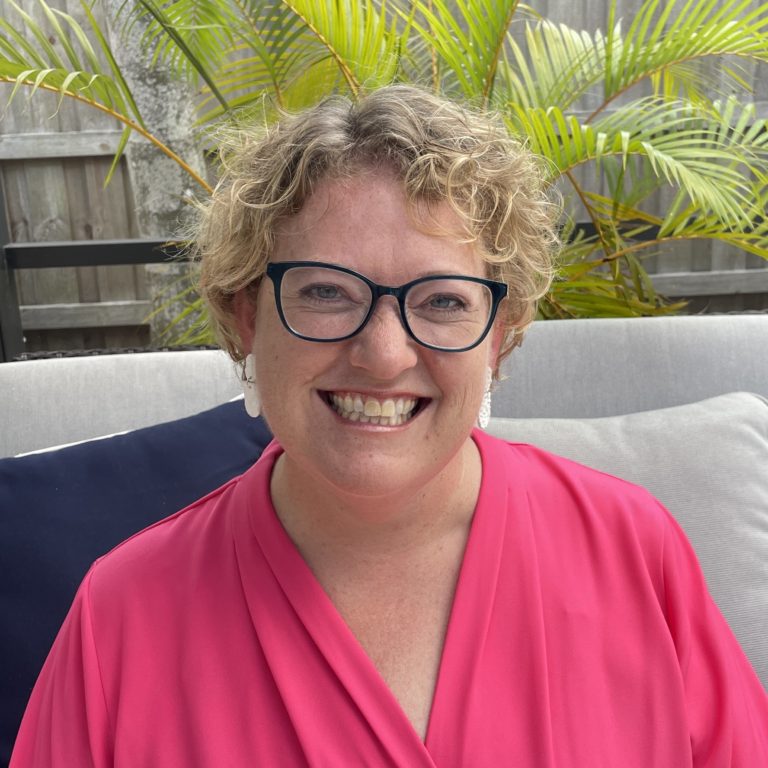
Executive Director Joy Mayer (she/her) founded Trusting News in 2016 after a 20-year career in newsrooms and teaching. She lives in Sarasota, Florida, and can be reached at joy@TrustingNews.org.