It’s not enough to just say someone’s an “expert” and leave it at that. Instead, how can you explain why, out of all the professionals and experts out there, you chose to interview or quote the ones you did?
The 5 resources you used most this year
Want to get this Trust Tips newsletter in your inbox each Tuesday? Subscribe here.We’re always asking the question: What do people really think of the news?
Instead of recapping our team’s favorite work we did this year, we want to close 2025 by sharing the resources and tools that you — our audience of journalists — seemed to find especially helpful.
Before we get there, one accomplishment we WILL share: We trained and reached more journalists and information providers in 2025 than in any other year of our organization’s (almost) 10 years of existence (more than 3,500 journalists!).
Thank you for being on this journey with us. We know serving communities through public service news can feel like tireless work at times, but we’re grateful we’re creating a more trusted, transparent information ecosystem alongside so many thoughtful journalists like you.
Here are some of our most-viewed trust-building training resources from across our different platforms — with some personal picks from each member of our team, too.
Top 5 resources
Here are the five most-visited resources on our website in 2025.
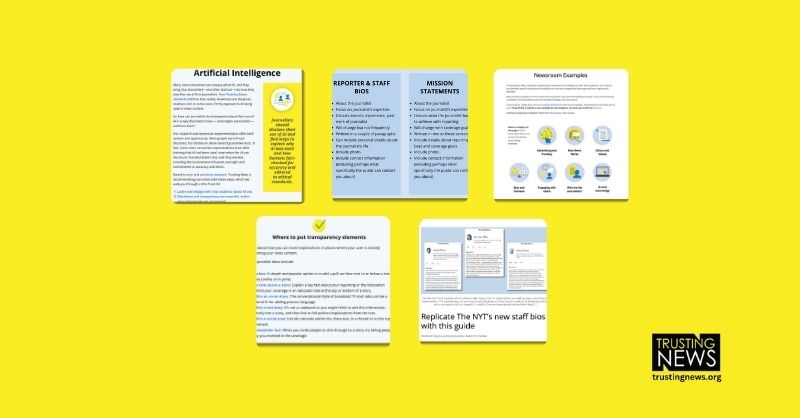
- Building trust with AI: This year has been a busy one when it comes to our work around AI. Not only did we launch small newsroom grants and a cohort around AI literacy, we also released new research (and a whole lot of resources) around how journalists can get transparent and earn trust with their use of AI. This AI Trust Kit includes all those resources, and walks you through how to write an AI policy, how to disclose your use of AI, how to understand what YOUR audience thinks about AI.
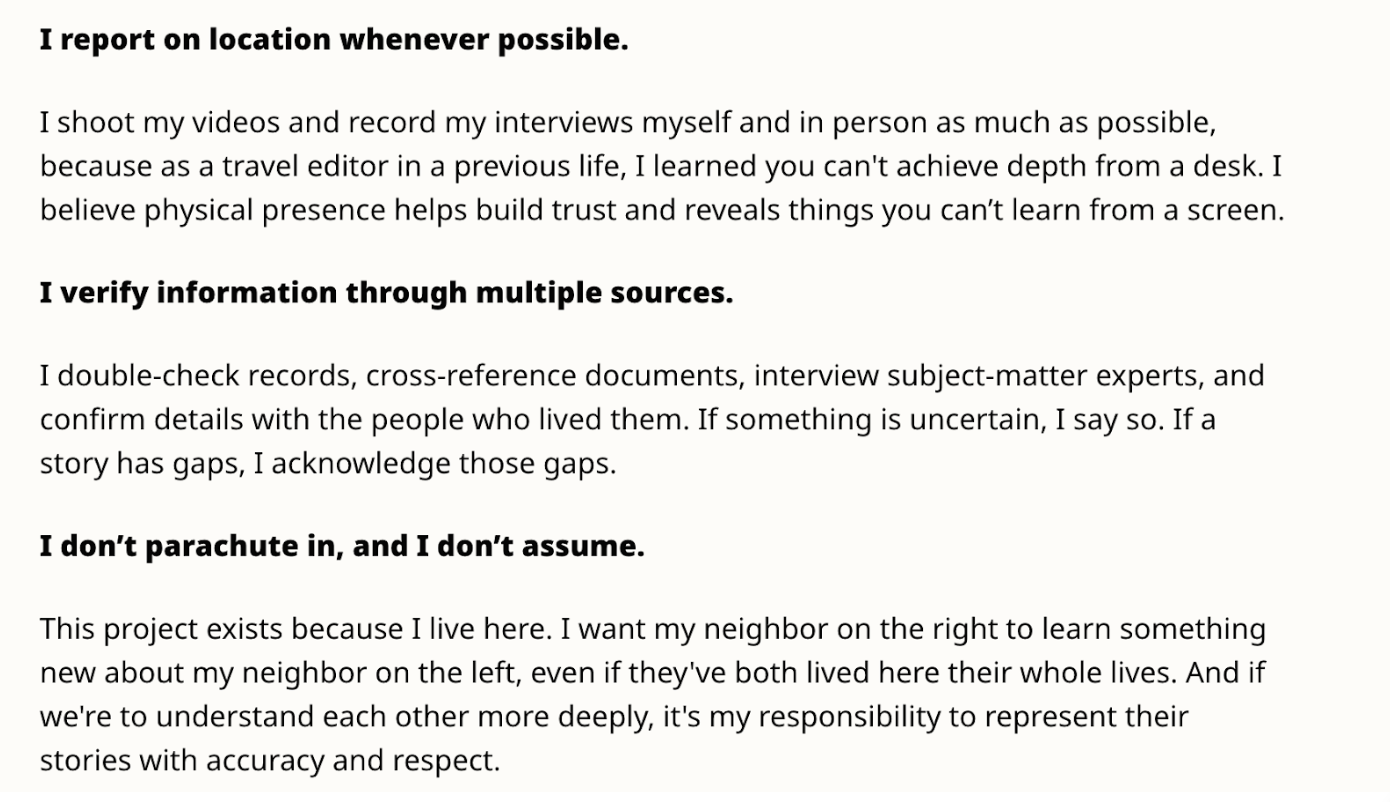
- Writing a reporter mission statement: We’re thrilled to see this resource pop up at the top because we really believe every journalist should be clear about their mission. Rather than letting your audience make assumptions about your agenda, we can tell them what we’re trying to accomplish. This Trust Kit walks you through how and includes examples of how both traditional and independent journalists have done this.
- Newsroom example database: Our newsroom example database has around 1,000 examples of how newsrooms, from small startups to independent journalists to big legacy organizations, are working to earn trust with their audience. We are continually adding new examples to our database (we just added a few dozen last week!). Browse through the whole database here and find highlights on these landing pages.
- Transparency Trust Kit. Transparency is the foundation of everything we do at Trusting News because we know, thanks to research, that when journalists are transparent, it helps build trust with their audience. This step-by-step guide walks you through 1) what to get transparent about, and 2) how to add transparency into your day-to-day content.
- Replicating NYTimes expanded bios. We first published this in 2024, but this guide for copying the New York Times’ expanded staff bios continues to get traffic — and for good reason: With diminishing levels of public trust in news and the integrity of journalists regularly being called into question, staff bios can be a foundational step to establishing credibility and building trust with your community. (Plus, when we write about what the biggest organizations do, our audience tends to pay extra attention.)
Top 5 Trust Tips newsletters
Here are the five most opened Trust Tips newsletters from 2025.
- Collaborate to better understand your community. We know when journalists listen, it helps build people’s trust in news. (We’ve even found that it helps increase people’s willingness to subscribe.) Imagine how exponential this impact could be if multiple news providers in your area invested in regularly hearing from the larger community — and then committed to sharing those insights with each other? In this newsletter, we shared tips and a resource guide walking you through how to do this.
- Respond to accusations that money influences coverage. There’s a lot of criticism from the public that journalists sensationalize or change coverage in order to make money. And the thing is — sometimes we do. This newsletter walks you through how to get transparent about that with your audience.
- Use a handout to introduce yourself to your community. We’ve written about creating a newsroom handout a few times (it was actually one of our very first newsletter editions back in 2019!). In this 2025 version, we share how some reporters at a new startup, the Tulsa Flyer, recently found success in helping their audience get to know them through printed handouts.
- Help people zoom out during hectic news weeks. Slow news days seem to be a thing of the past. But with more and more people saying they feel overwhelmed by the quantity and content of news, we should be asking ourselves how our coverage can help people feel more grounded and less overwhelmed. In this newsletter, we share a few tips for how newsrooms can help their audiences zoom out and take breaks during busy weeks.
- Make legislative coverage less polarizing and more accessible. Covering the statehouse and local government isn’t easy. Often the topics and process can feel nuanced and complicated. But, what happens in the statehouse often has real impact on people’s daily lives. How we as journalists approach and frame stories can significantly impact not only how audiences perceive and trust our work, but how they engage with civic life. In this newsletter, we share four ways to help make your legislative coverage more accessible, engaging and trustworthy.
Top 5 YouTube videos
Here are our five most-watched YouTube videos of 2025.
- How journalists can get clear about funding and ownership. In this 30-minute webinar, we walk you through how to combat accusations of money bias and build trust by getting on the record about where you get your money, how it influences your coverage and why you rely on community support.
- Common mis(assumptions) from news consumers. There’s a lot of public confusion around how we as journalists do our job. This video covers what some common misconceptions are — and how journalists might respond.
- What do people think about how you will (and won’t) use AI. What can newsrooms do to disclose their use of AI in ways that build trust and demonstrate ethical practices? This training covers how, with practical strategies for crafting AI policies.
- How freelance journalists can earn trust. The public’s distrust in news impacts all journalists, even freelance journalists. In this training with SPJ, we cover how you can build trust with your audience without a newsroom, including how to add transparency elements to your individual reporting and engage with your audience.
- New research: What news consumers want to know about journalists’ use of AI. News consumers told us they want to know when journalists use AI. But also, knowing AI was used sometimes decreased people’s trust in news. In this training, we talk through what our new research showed about how the public responded to different versions of AI use disclosures used in new stories.
Staff picks
Joy Mayer: My most helpful reminder recently came from a conversation I was having with Zack Kucharski, executive editor of The Gazette in Cedar Rapids, Iowa. We were talking about why trust is crucial and whether it connects to news outlets’ financial sustainability, and he said: “Our product is trust. We happen to deliver it in paper or we happen to deliver it online. But if you don’t trust us, then the revenue is shrinking.” Thank you for the nudge to keep going, Zack.
Lynn Walsh: I cannot stop thinking about this piece from Radically Informed. As I work with our AI Literacy cohort/grant newsrooms, I have been really focused on AI’s limitations and what it excels at. This technology is disrupting our industry and will continue to do so, BUT it cannot (in its current or near-future capabilities) replace journalism. It can create content, though, and is getting better at it every day. So, can we please stop creating content and start sharing information that is useful and helpful and most importantly, valued and wanted by our community? (A shoutout to Laura Davis for sharing this with me and keeping my mind racing at night.)
Mollie Muchna: Earlier this year, we shared an idea from Joy that I keep coming back to. What if, at the start of each interview with a source, journalists asked: What are you afraid I might get wrong? This question not only helps journalists better understand the assumptions sources might be bringing to the conversation, but it also acknowledges that journalists sometimes get things wrong. (Of course we do!). I appreciate when journalists have enough humility to get real about this, and based on the response we received from journalists, you did too!
What’s coming in 2026
We’re going through strategic planning and are excited to share the results of that with you early in the new year.
As always, if you have thoughts about how we can support your work, feel free to reply to this newsletter. We truly love to hear from you!
At Trusting News, we learn how people decide what news to trust and turn that knowledge into actionable strategies for journalists. We train and empower journalists to take responsibility for demonstrating credibility and actively earning trust through transparency and engagement. Learn more about our work, vision and team. Subscribe to our Trust Tips newsletter. Follow us on Twitter, BlueSky and LinkedIn.
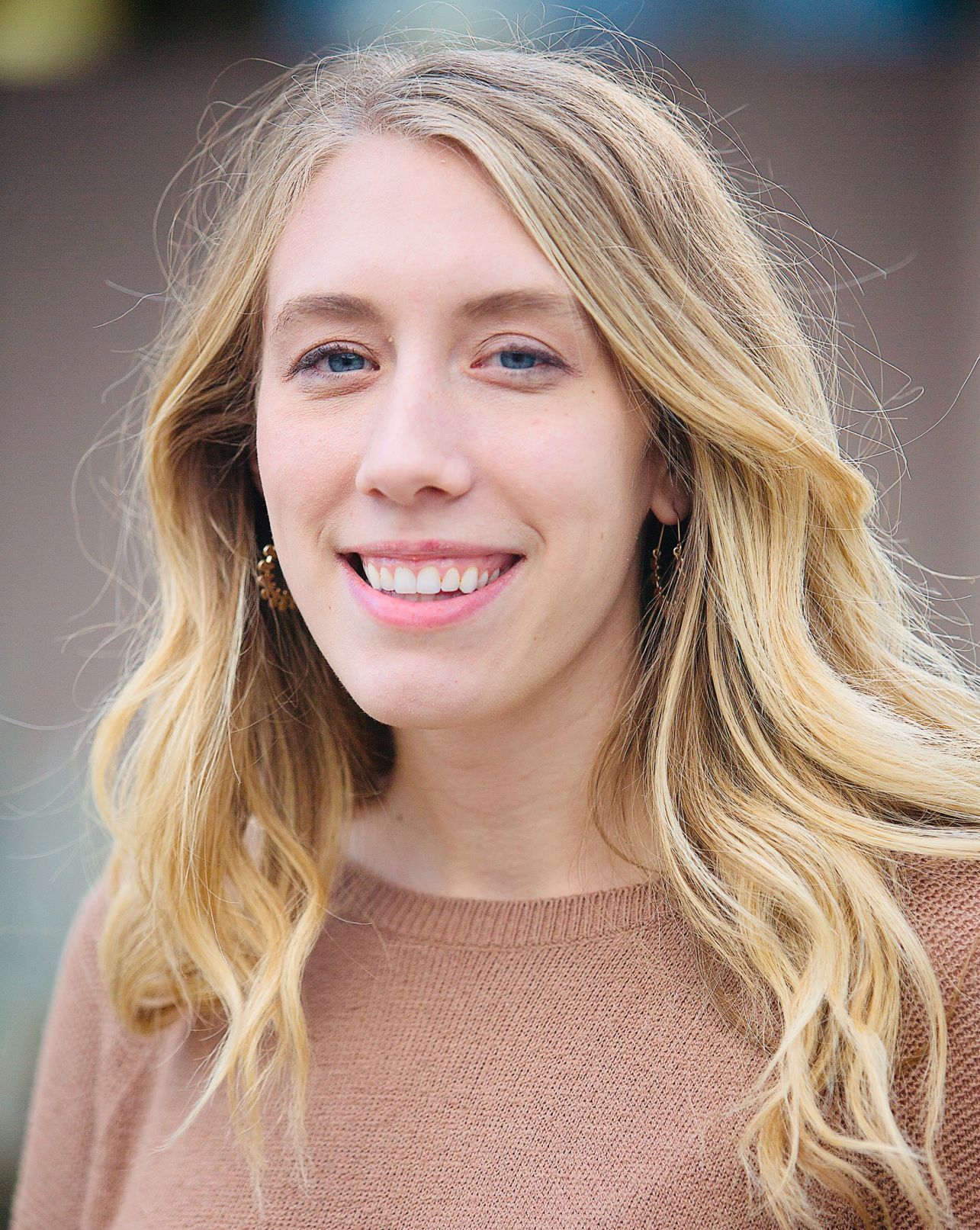
Project manager Mollie Muchna (she/her) has spent the last 10 years working in audience and engagement journalism in local newsrooms across the Southwest. She lives in Tucson, Arizona, where she is also an adjunct professor at the University of Arizona’s School of Journalism. She can be reached at mollie@trustingnews.org and on Twitter @molliemuchna.